


NATO Innovation Range, held in Finland, brought together companies and end users to test new technologies. Millog enabled participants shared situational awareness. According to Timo Salonen, from Finland’s Permanent Delegation to NATO, taking part in NATO testing events can give companies a significant competitive edge.
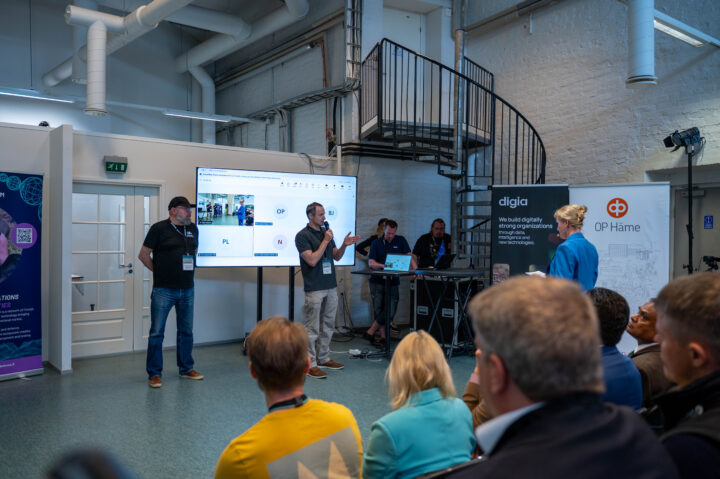
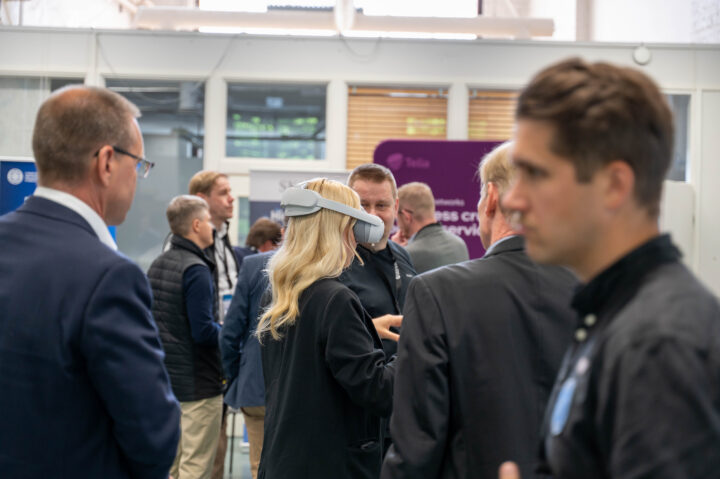
Defence and dual-use innovations were put to test during the Innovation Range testing event series held in Riihimäki, Turku, Oulu and Joensuu from 1 to 10 June. Hosted by the Finnish Ministry of Defence and led by Allied Command Transformation (ACT), the series brought developers and end users together. The aim of Innovation Range is to provide testing environments where promising solutions can be evaluated in real-world conditions against NATO requirements, while also promoting the system interoperability.
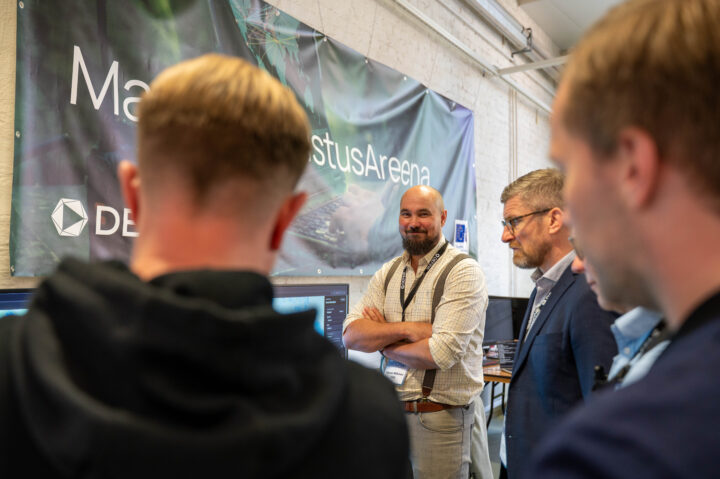
More than 30 companies participated in the June Innovation Range. The event series focused particularly on command and control systems, sensor technologies, communications solutions, and the use of artificial intelligence and data. A separate testing event for counter-drone systems was also organised simultaneously under NATO’s LCI-X iniative (Layered Counter Unmanned Aircraft Systems Initiative).
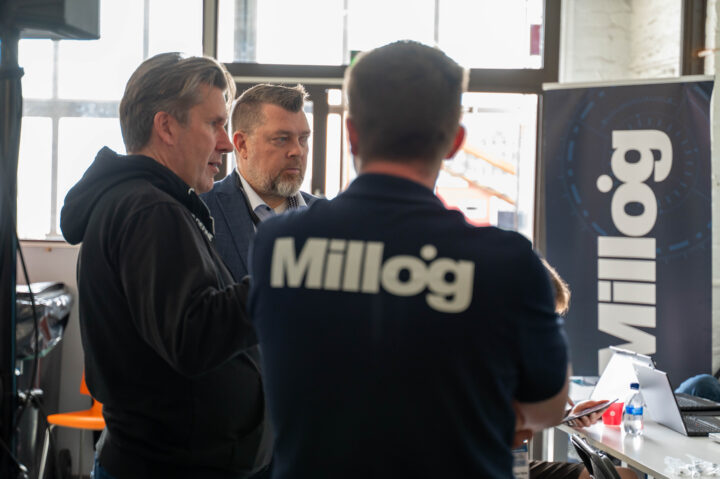
Millog delivered a situational awareness system for the event to test the integration of participants’ capabilities. This system allowed participants to share information in real time and included a map view incorporating general rail, maritime and air traffic data, supporting command and decision-making processes. The system was also used to test drone detection and identification.

Towards more agile development
The agile and accelerated adoption of new technologies is one of NATO’s strategic priorities. Traditionally, procurement cycles in the defence sector have taken several years, but NATO’s Rapid Adoption Action Plan (RAAP), published last year, aims to shorten the integration of new technologies and capabilities to two years.
According to Timo Salonen from Finland’s Permanent Delegation to NATO, innovation initiatives are designed to ensure that member countries and the Alliance as a whole can keep pace with developments on the battlefield and respond to the changing operational environment.
“The lessons learned from the war in Ukraine also play a role. It’s important that we build agile operating models already in peacetime – not only in the middle of a conflict, as Ukraine has been forced to do,” Salonen says.

Testing brings competitive advantage
According to Salonen, Finland has much to offer in developing the Alliance’s capabilities and operating models – from Finland’s comprehensive security approach to its diverse terrain and strong technological expertise.
“It’s also worth highlighting the Finnish way of doing things. We’re determined and effective. We do what we promise, and get things done,” he notes.
Salonen encourages companies and start-ups to actively participate in Innovation Range and other defence-sector testing events. Active involvement and proven performance could earn a product an Innovation Badge certification in the future. This certification signifies NATO approval, opening the door to participation in procurement processes conducted by organisations such as the NATO Support and Procurement Agency (NSPA).
Following interoperability testing at Innovation Range, the next step is to move new technologies and solutions into operational unit trials. To support this, NATO runs the Task Force X programme, through which products are integrated into the structures of allied forces.
“Our goal is that, through these events, participating companies will be able to join NATO’s Task Force X programmes later this year. This could provide companies with access to ongoing and future procurement opportunities in NATO member countries,” Salonen explains.
Millog supporting developers
As the operating environment evolves, joint innovation ecosystems between the defence and civilian sectors have become more common in Finland and internationally. Millog has played an active role in supporting the development of new networks and collaboration platforms, contributing defence-sector expertise.
Millog also provides testing services that enable developers to assess their solutions against defence-sector requirements in digital and physical environments simulating real operational conditions. Millog’s test environment also cooperates with Finland’s NATO DIANA test centres.
“Millog has acted as a driving force within these ecosystems. Its position as a strategic partner of the Finnish Defence Forces, and close cooperation in the digital operating environment, makes Millog an excellent partner for testing, evaluation and integration,” Salonen adds.
The Innovation Range 2026 testing event series was hosted nationally by the Finnish Ministry of Defence and organised in cooperation with the Defence Innovation Network Finland and the Digital Defence Ecosystem, and supported by the Borderland Europe project, Business Oulu, Business Turku and Business Joensuu.